
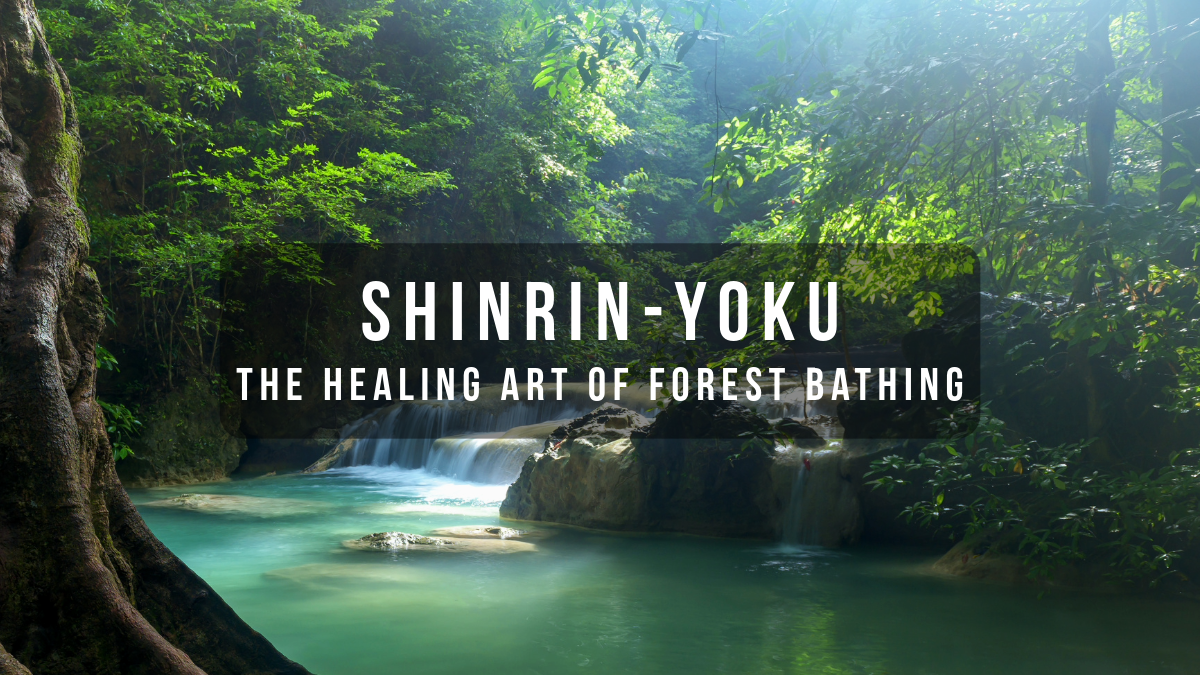

Take a Hike… But Like, Real Slow
You’ve probably seen the term floating around in a wellness blog or tucked between yoga poses and mushroom coffee on someone’s Pinterest board: forest bathing. Sounds fancy. Possibly damp. But don’t worry — no soap, swimsuit, or awkward public nudity required.
Here at Outdoor Weekend Warriors, we’re all about helping everyday people unplug, recharge, and get back to nature — even if it’s just for an afternoon. So today, we’re diving deep into the Japanese practice of forest bathing, also known as Shinrin-yoku — a nature-based health trend that’s backed by real science and doesn’t involve standing in line at REI.
What Is Forest Bathing?
Let’s clear this up first: forest bathing has nothing to do with actual water. It’s all about immersing yourself in nature using all five senses — sight, smell, sound, touch, and even taste (if you’re brave and know your berries).
Developed in Japan in the 1980s, Shinrin-yoku was introduced as a response to the growing epidemic of stress, burnout, and overwork. The government, recognizing that tech-driven life was pulling people away from nature and harming their health, encouraged citizens to visit forests as a form of preventative medicine.
And guess what? It worked. Like, really worked.

The Science Behind Shinrin-Yoku
Okay, here’s where it gets juicy.
When you walk through a forest, trees release natural oils called phytoncides — chemical compounds they use to protect themselves from insects and disease. But when we inhale them, our bodies respond in a surprisingly powerful way:
- Lower levels of cortisol (your body’s primary stress hormone)
- Reduced blood pressure and heart rate
- Boosted immune function thanks to increased activity of natural killer (NK) cells
- Improved mood and reduced anxiety
One study published in the International Journal of Environmental Research and Public Health found that even a short 20-minute walk in a forested area significantly decreased cortisol levels compared to walking in a city environment.
Another bonus? People who regularly forest bathe have reported increased energy levels, better sleep, and even heightened creativity. (So next time you’re stuck on a problem, maybe it’s time to hit the trail instead of hitting “refresh” on your inbox.)

How to Go Forest Bathing (Step-by-Step for the Skeptics)
You don’t need a retreat in the mountains or a guru in linen pants to experience Shinrin-yoku. In fact, you can do it today. Here’s how:
Step 1: Find Your Spot
Look for a quiet green space — ideally a wooded park, nature preserve, or forested trail. Even a small stand of trees in a city park can work in a pinch.
Step 2: Leave the Gadgets
Yes, we know — your phone is your camera, GPS, and emergency pizza-ordering device. But forest bathing is about being present. So silence it, stuff it in your pack, and let nature do the talking.
Step 3: Slow. It. Down.
This isn’t hiking. This is wandering. You’re not trying to reach a summit — you’re just there to be. Move slowly, pause often, and pay attention to what you see, hear, and smell.
Step 4: Use Your Senses
Touch the bark of trees. Listen to the rustle of leaves. Breathe deeply through your nose. Notice how the light filters through the branches. This is a full-body experience.
Step 5: Stay Awhile
Even just 15–30 minutes can work wonders, but an hour is ideal. And if you fall asleep under a tree? Honestly, that’s probably a good sign.
Benefits That Stick With You
Unlike scrolling social media or binge-watching another true crime doc, the benefits of forest bathing don’t evaporate the moment you stop. The calming effects can last for days, and regular practice can actually improve your baseline mood and resilience over time.
Even cooler? You don’t need to do it every day. Just a few sessions per month can lead to measurable improvements in mental and physical health.
So yeah — forest bathing isn’t just a trend. It’s an evidence-backed, dirt-under-your-shoes way to feel better.

Where to Try Forest Bathing in North Texas
You don’t need to travel far. Some of our favorite local spots for a Shinrin-yoku session include:
- Sister Grove Park (Princeton, TX) – Quiet, tree-lined trails and minimal traffic. Great for beginners.
- Oak Point Park & Nature Preserve (Plano, TX) – Over 800 acres of forest, creeks, and trails.
- Arbor Hills Nature Preserve (Carrollton, TX) – Scenic overlooks and shady pockets perfect for reflection.
More locations coming soon to our Trail Guide — keep checking back!
Forest Bathing vs. Hiking: What’s the Difference?
If hiking is like going to the gym, forest bathing is like going to the spa.
Hiking usually has a destination or fitness goal in mind — distance, elevation, speed. Forest bathing? The goal is no goal. You’re not doing nature. You’re being in nature.
Both are awesome. Both have benefits. But if your brain is fried, your stress is high, or you just need to feel human again, forest bathing might be the reboot you didn’t know you needed.
Closing Thoughts: Nature’s Always Open
Look, we’re not doctors (unless you count WebMD rabbit holes), but when something is free, backed by science, and involves no side effects besides a few mosquito bites… it might be worth a shot.
So next time your weekend rolls around and you’re feeling off, tired, or just overwhelmed, try taking the slow path through some trees. Give yourself permission to be still. Let nature do what it does best — bring you back to yourself.
And if you end up hugging a tree? Hey, we’re not here to judge. We’re just here to guide you to the trailhead.

Want More Outdoor Tips?
Follow us on Facebook and Instagram for more nature-based brain boosts.